— Senior UX Designer · Strategist
I work on complex
product systems where clarity often breaks down.
Every system that feels effortless started with a wall or a board that looked like this. The work in between — from research to insight, complexity to story, problem to solution.
See the work— Selected Work
Work

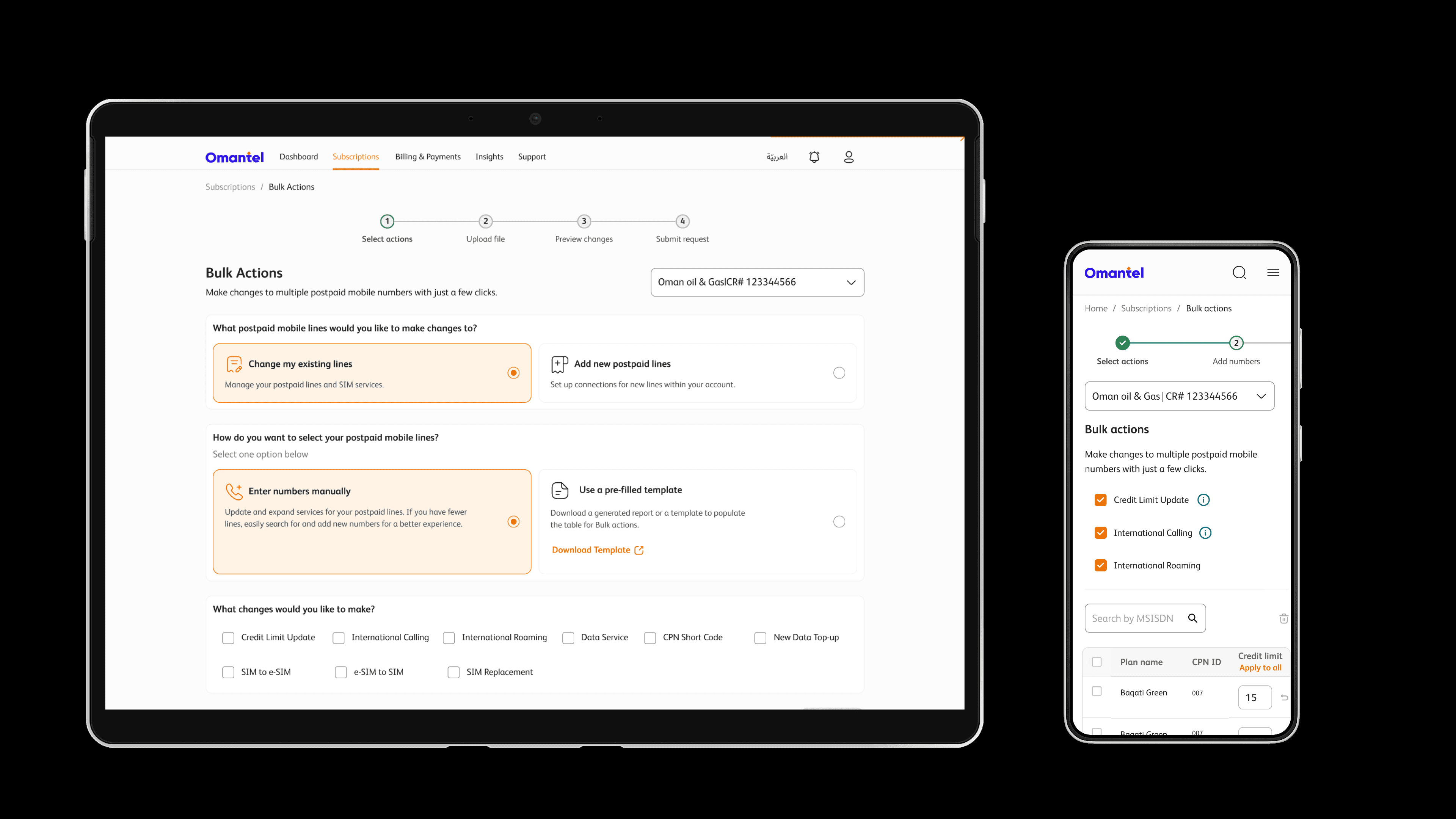
Designing a Scalable Bulk Activation System
Enterprise customers were managing thousands of SIM activations manually. One invalid record failed the entire batch.

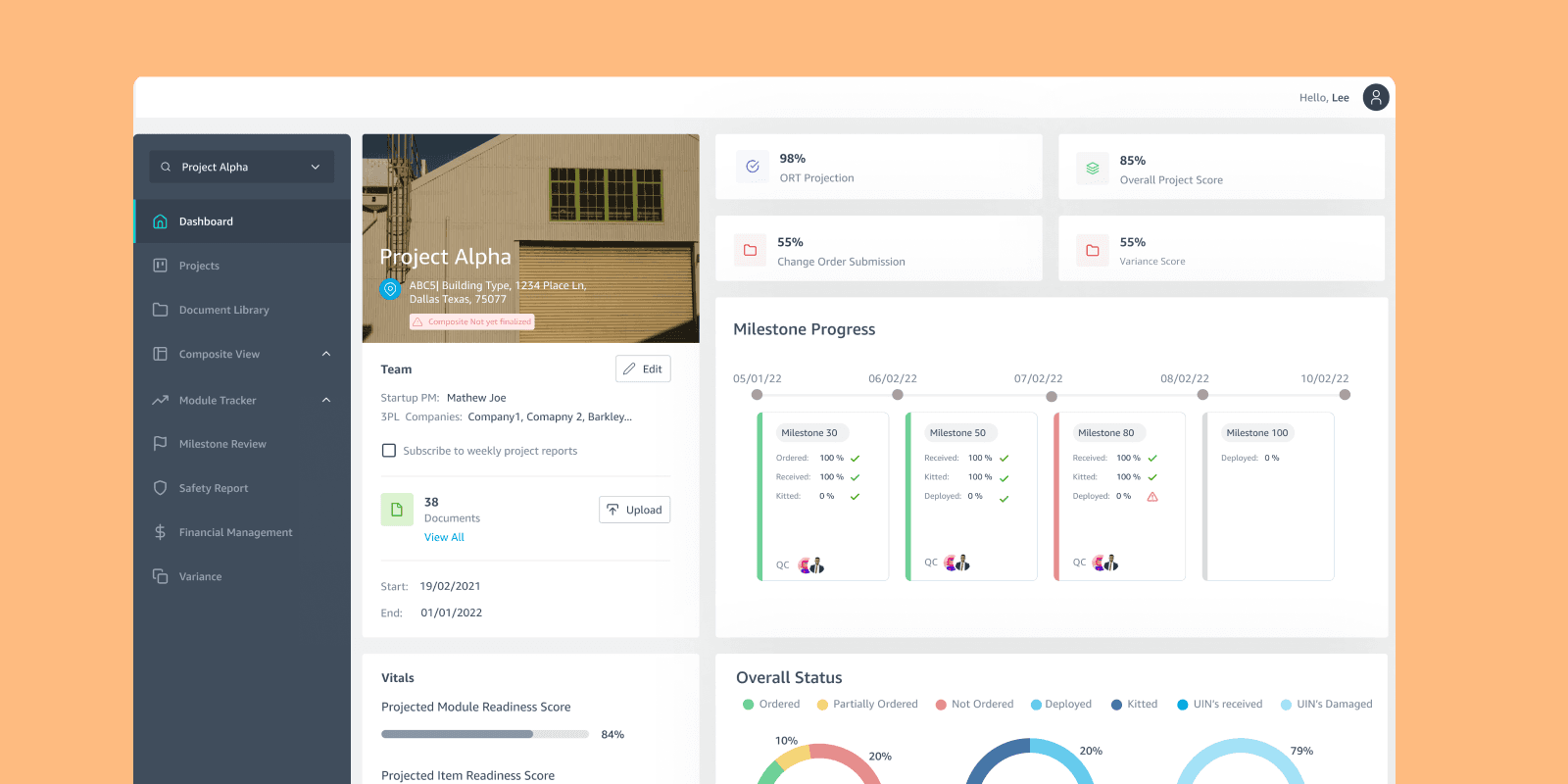
Bringing Clarity to Warehouse Operations at Scale
The data existed across every system. What was missing was a way to trust it, act on it, and share it across teams without losing hours to status coordination.

Bulk Connectivity Purchase Flow for Real Estate Owners
Owners weren't afraid of the commitment. They were afraid of not understanding what they were committing to.

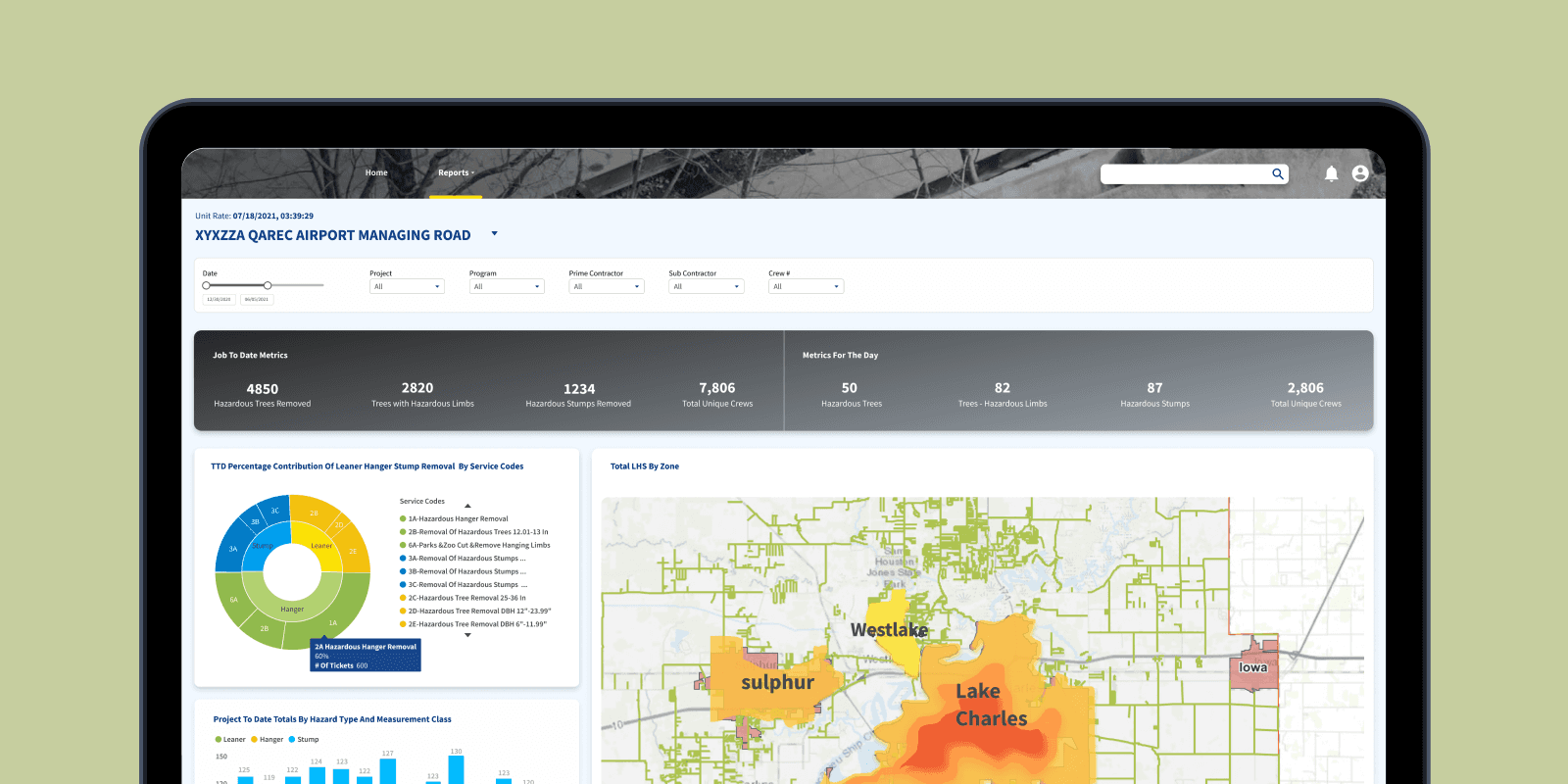
Automating a previously manual system for Disaster Recovery teams
Hurricane season hits, and entire neighbourhoods are devastated. Our client on the front lines of disaster recovery faced their biggest roadblock: legacy tools — fragmented, error-prone, and slow when every hour counted.
— Writing
Thinking in public. Notes, essays, observations.

Type — Finance · Observational note
Entry & Exit in Digital Lending
Instant approval on the way in; opaque failures on the way out. When onboarding is built for speed and exit is shaped by risk, users meet an informational asymmetry.

Type — Education · Long read
The System Behind “Gate-kept” Degrees
The economy built the gate — not designers. On scarcity, credentials, and why the debate about design school often misses who actually holds the keys.
— About me
Systems, craft, and the space between intent and outcome.

Hello — I'm Rachana. Senior UX designer, behavioural science enthusiast, and probably the person at your table with the most specific fun fact about whatever you're talking about.
I'm from Bengaluru, India. I'm curious about how things actually work, not just how they're supposed to work.
That curiosity is the job, really. Most of my work sits where products meet operations — flows that have to stay coherent when data, process, and human judgment all show up at once. I care about making complexity legible: the right ideas at the interface, the right framing in the room, so the product doesn't quietly encode the wrong tradeoffs.
Before any of that shows up in Figma or any other tool, it shows up as walls, boards, and hard questions. That's the part I lean into most.
I read rooms. Not whether an idea landed — but how people process it. What format makes a stakeholder actually digest something versus perform agreement. The design usually follows once I understand what the room can actually hear.